Europe, from the edge
At Europe’s edge,
freedom has a flag.
Aux confins de l’Europe, la liberté a un drapeau.
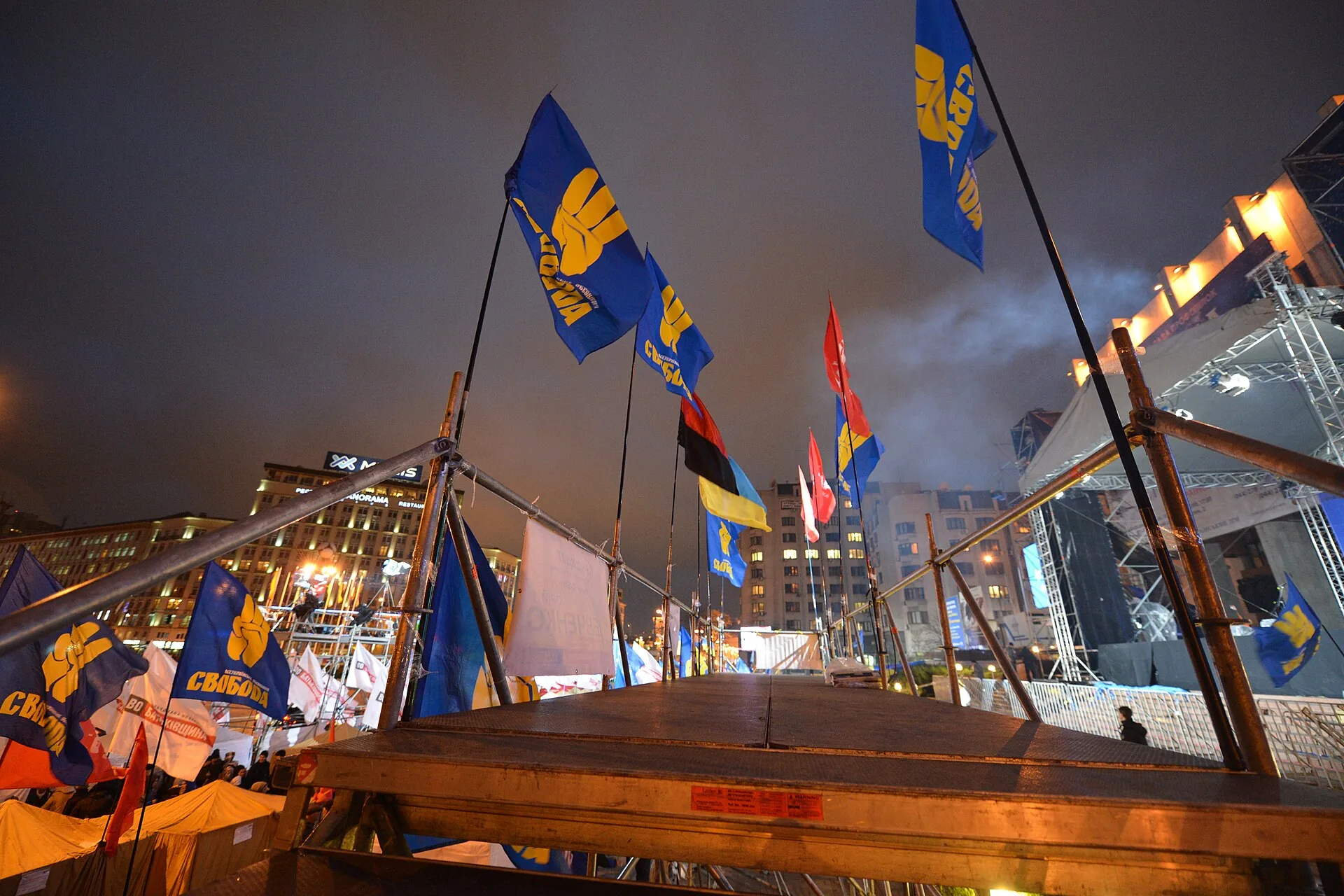
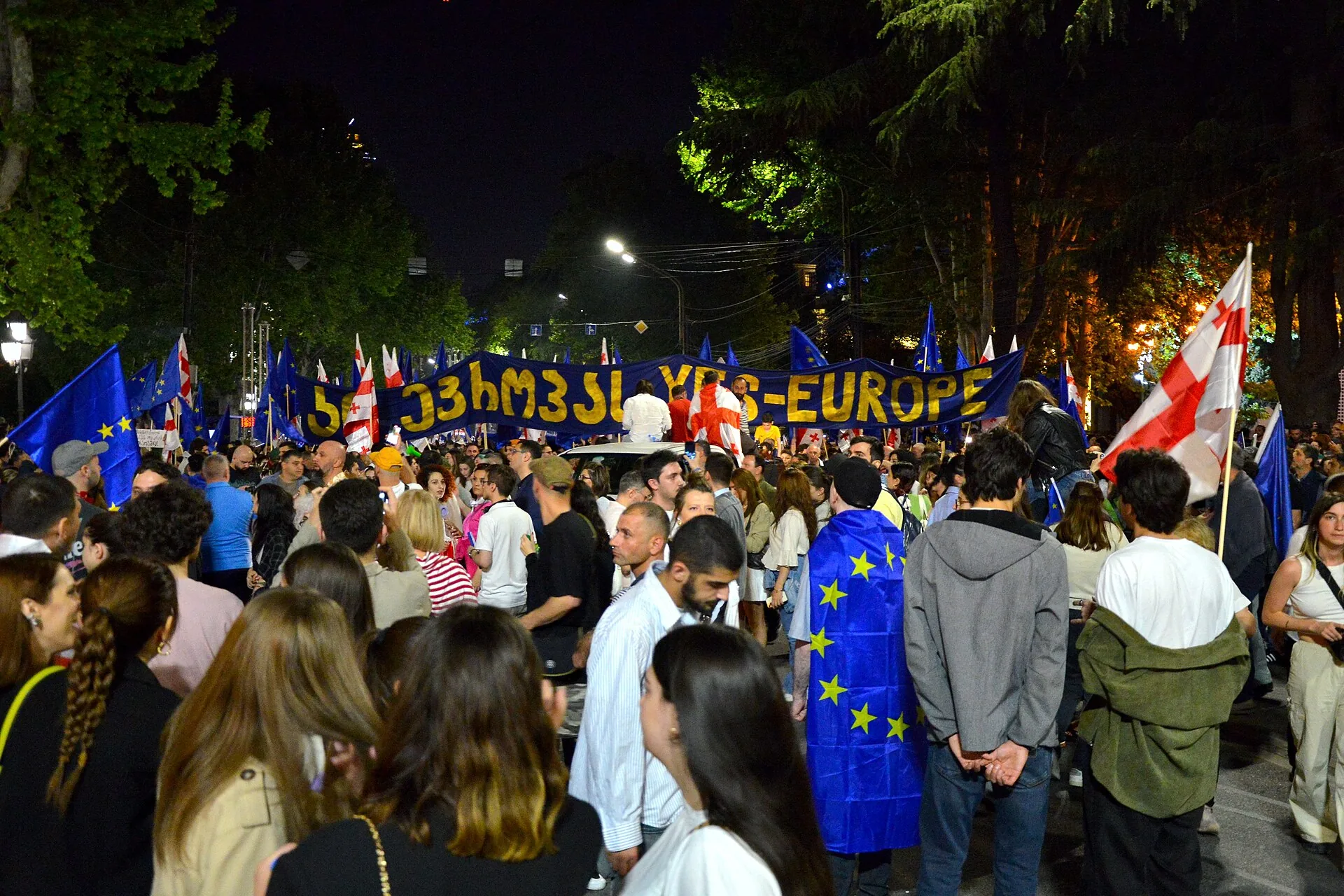
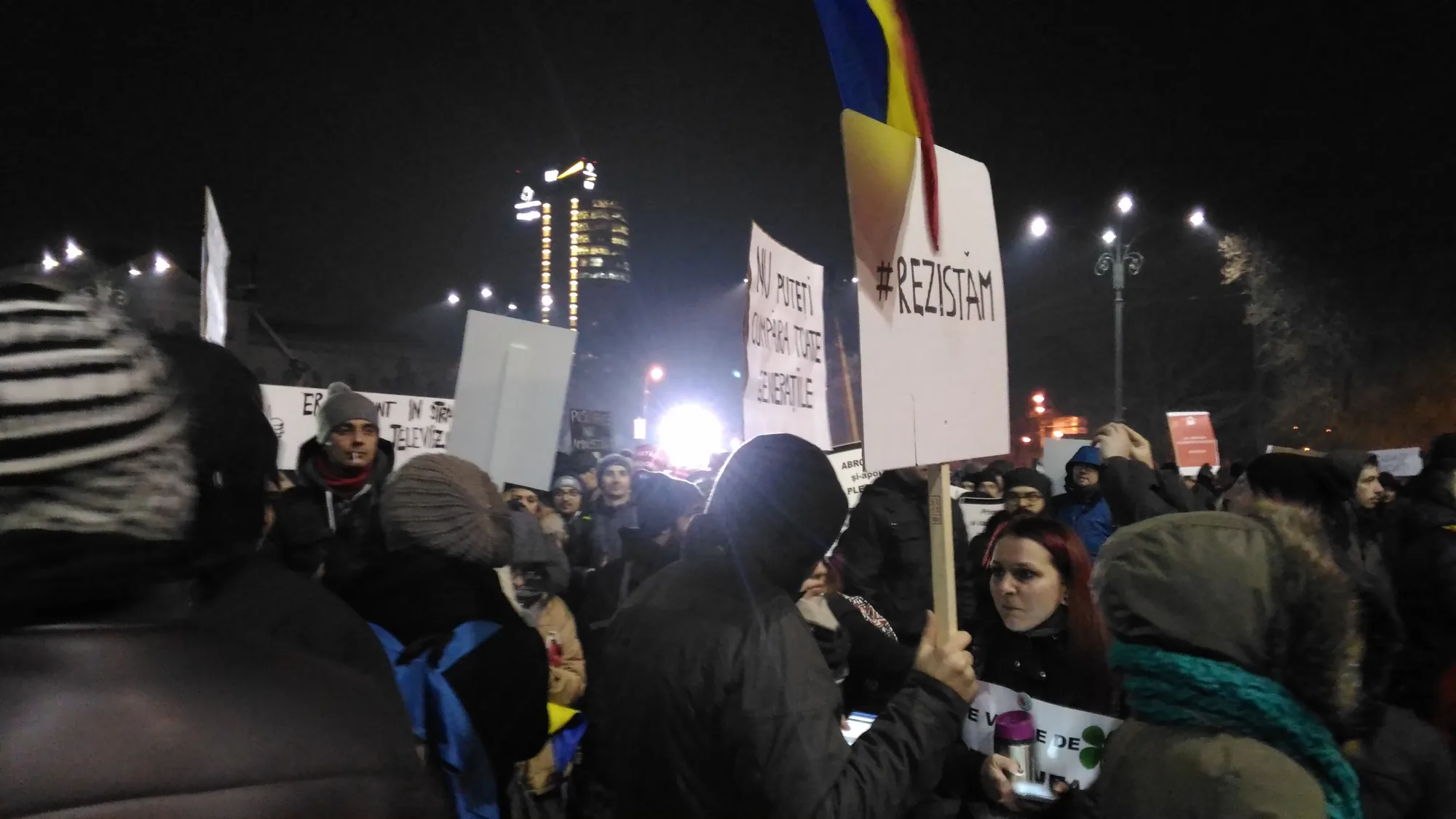
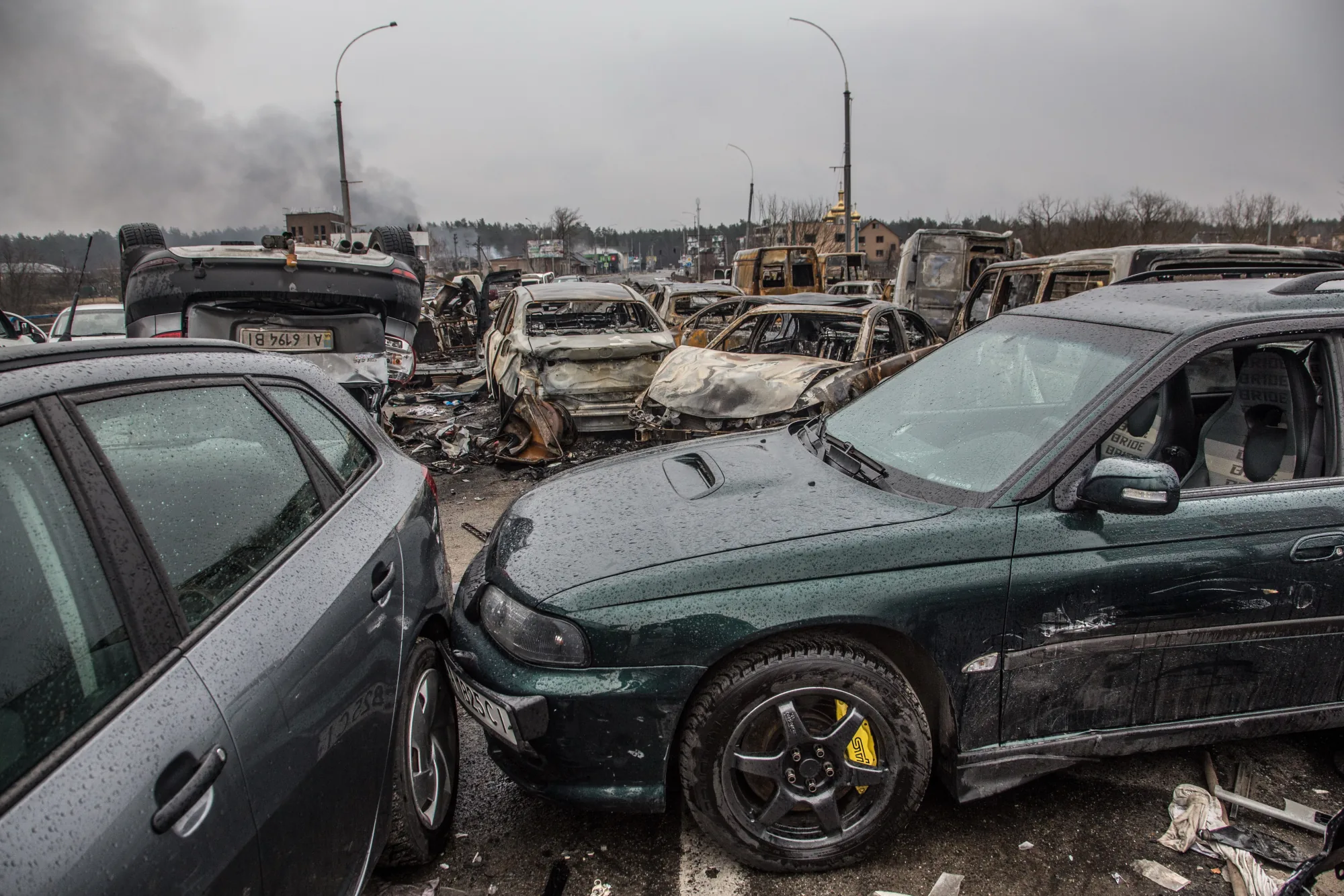
Four places at Europe’s edge. Kyiv, Tbilisi, Bucharest, people in the street, asking for the same thing. Bucha: the answer arrives with an army.
Quatre lieux aux confins de l’Europe. Kyiv, Tbilissi, Bucarest : des gens dans la rue, qui demandent la même chose. Boutcha : la réponse arrive avec une armée.
A new age of empires has made the question urgent again.
Un nouvel âge d’empires a rendu la question plus urgente.
From the edge
History is made visible at the edges
L’histoire se rend visible aux confins.
Two hundred years ago a nation finds its survival tied to the west. Two hundred years ago, the ripples of the French Revolution inspire a generation of nation builders.
Il y a deux cents ans, une nation voit sa survie liée à l’Ouest. Il y a deux cents ans, les ondes de la Révolution française inspirent une génération de bâtisseurs de nations.
One door further
Annex
Annexe
Language, the Paris generation, territory and the rest live in the annex.
La langue, la génération parisienne, le territoire et le reste vivent dans l’annexe.
History does not mandate. Those who cannot remember the past are condemned to repeat it.
L’histoire ne dicte rien. Ceux qui ne se souviennent pas du passé sont condamnés à le répéter.
George Santayana, The Life of Reason, vol. I, 1905, p. 284